
Last updated: March 2026
Some links on this page are affiliate links. If you buy through them we may earn a small commission at no extra cost to you.
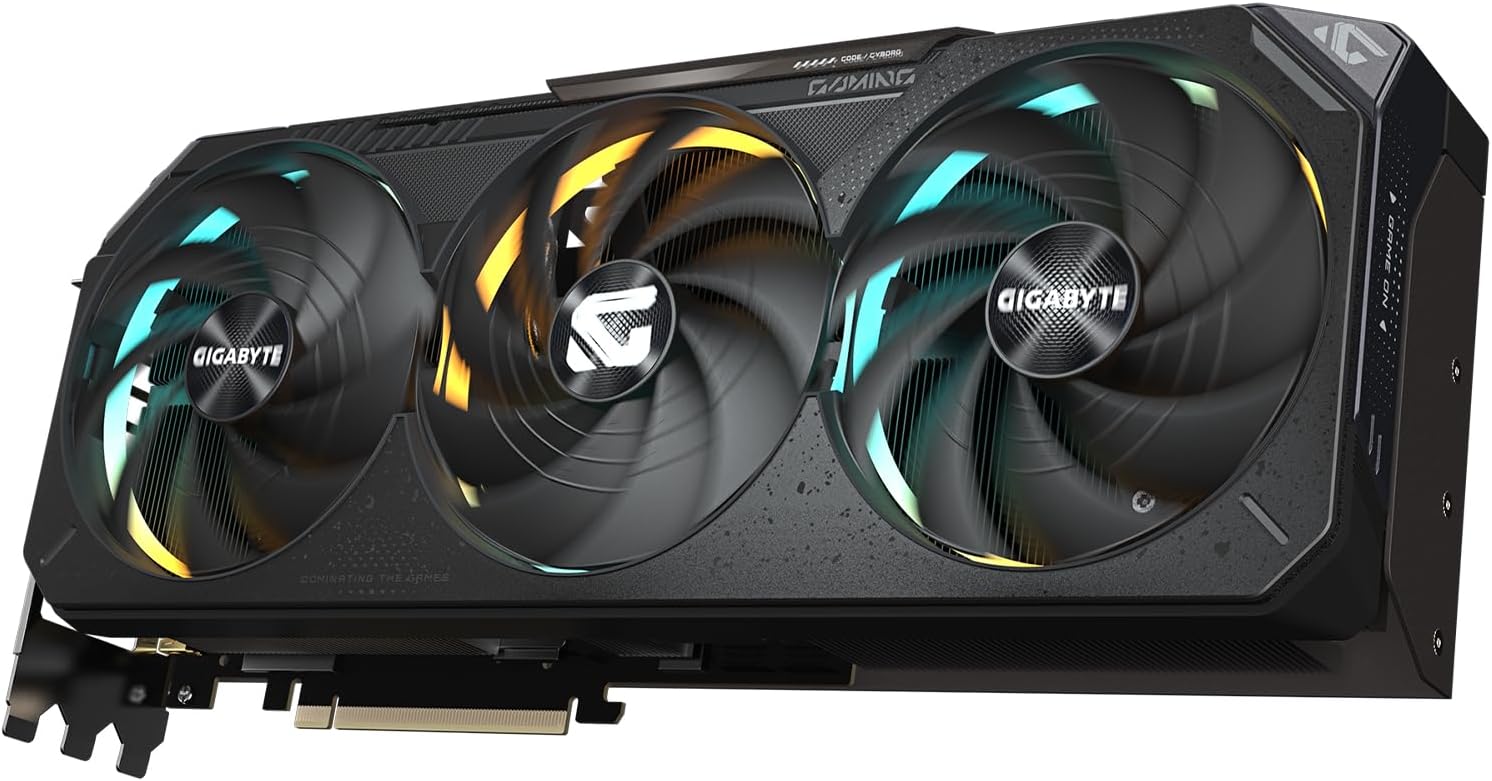
4K gaming has a GPU problem that most buyers do not see coming. The resolution looks incredible, but the cards capable of driving it natively at maximum settings cost more than most people expect, and the cards that cannot quite get there lean heavily on upscaling to close the gap. Knowing which side of that line a GPU sits on is the entire game when choosing the best GPUs for 4K gaming in 2026.
This guide breaks down the cards that actually make sense at 4K based on real-world performance, VRAM capacity, and how honestly they deliver on the promise of this resolution. If you already know 4K is your target, the RTX 5080 is the strongest overall recommendation for most buyers. The RX 9070 XT is the best AMD alternative at a lower price point.
On this page
- Quick Picks
- GPU Comparison
- Real 4K FPS Performance
- CPU Pairing Guide
- GPU Breakdown
- Is 4K Gaming Worth It?
- Frequently Asked Questions
- Final Verdict
Quick Picks
If you just want the short version, these are the GPUs that currently make the most sense for 4K gaming. The picks below balance real-world 4K performance, VRAM, feature set, pricing, and overall usability rather than simply recommending the most expensive card available.
4K GPU Comparison at a Glance
Once you narrow down the strongest options for 4K gaming, it helps to compare the key differences side by side. The table below focuses on what matters most at this resolution: intended use case, VRAM capacity, approximate power draw, and how each card fits into the current GPU market.
| GPU | Best For | VRAM | Power Draw | Notes |
|---|---|---|---|---|
| RTX 5080 | Best Overall | 16GB | ~360W | Excellent 4K performance with strong DLSS support and a more realistic price than flagship GPUs. |
| RTX 5090 | Enthusiast Pick | 32GB | ~450W | The fastest GPU currently available, designed for maximum 4K performance and long-term headroom. |
| RX 9070 XT | Best AMD | 16GB | ~304W | Strong current-gen raster performance and 16GB VRAM make it the best AMD option for serious 4K gaming without flagship Nvidia pricing. |
| RX 9070 | Entry 4K | 16GB | ~220W | A current-gen entry point into 4K gaming with 16GB VRAM. Best suited for buyers willing to use optimized settings in the most demanding titles. |
Real 4K FPS Performance in Popular Games
Specifications only tell part of the story. What most gamers really want to know is how these GPUs perform in real games. To provide a clearer picture of 4K performance, the table below uses a mix of competitive titles, modern AAA games, and heavier engine workloads that are commonly used in benchmark testing.
| GPU | Warzone | Cyberpunk 2077 | Fortnite | Baldur’s Gate 3 | Starfield | Apex Legends |
|---|---|---|---|---|---|---|
| RX 9070 | 65–80 FPS | 42–52 FPS | 85–105 FPS | 75–90 FPS | 42–52 FPS | 90–105 FPS |
| RX 9070 XT | 85–100 FPS | 55–68 FPS | 110–135 FPS | 100–120 FPS | 55–65 FPS | 120–140 FPS |
| RTX 5080 | 105–125 FPS | 70–85 FPS | 140–170 FPS | 125–150 FPS | 70–85 FPS | 150–180 FPS |
| RTX 5090 | 130–160 FPS | 90–110 FPS | 180–220 FPS | 160–190 FPS | 85–100 FPS | 190–220 FPS |
These performance ranges represent realistic averages across multiple independent benchmark sources using high or ultra settings at native 4K resolution. Actual performance will vary depending on the CPU, RAM configuration, driver version, and the specific settings used in each game.
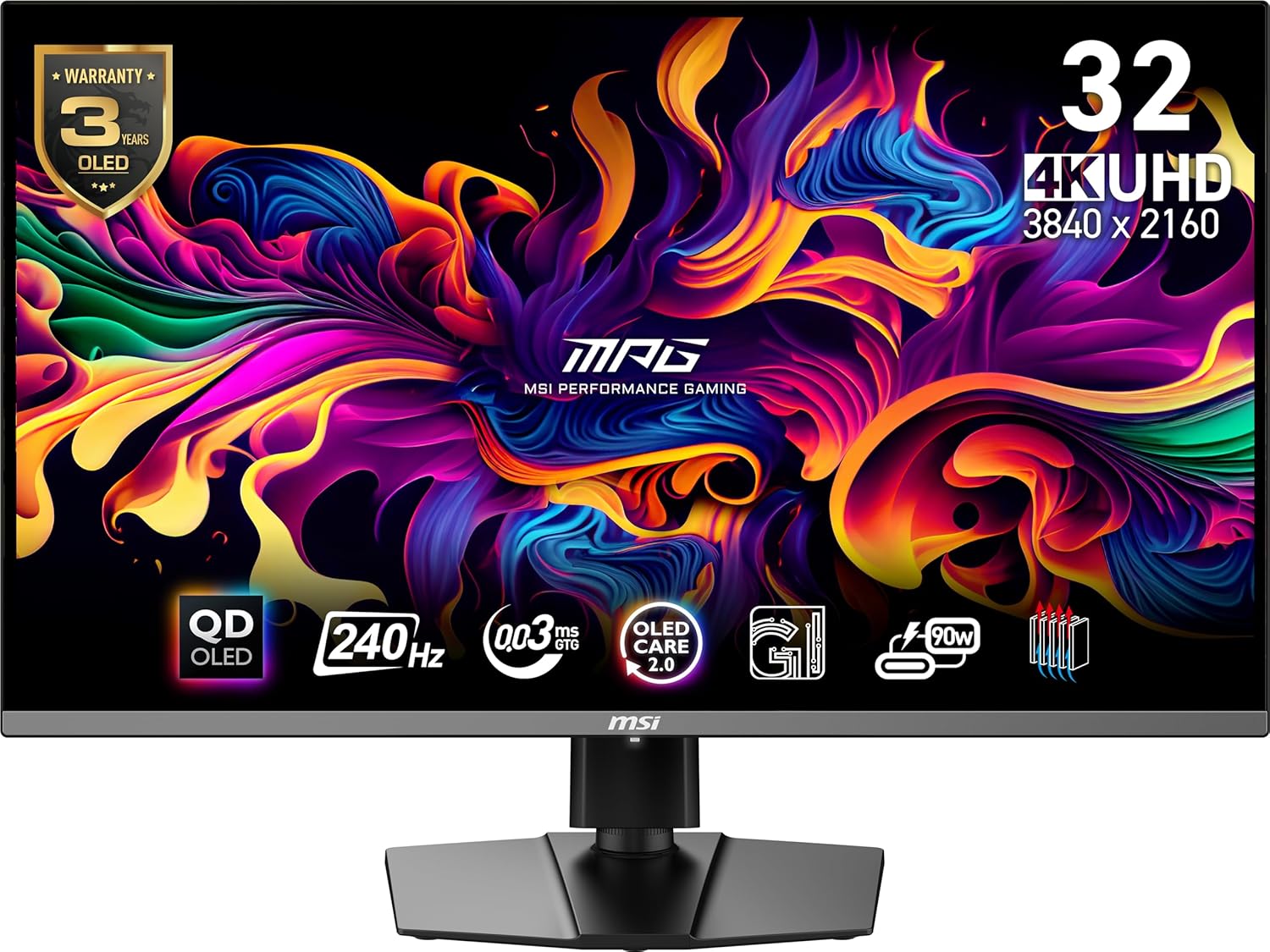
Match Your GPU to the Right 4K Monitor
A powerful GPU is only half of the equation at 4K. Use our Monitor Match Tool to find the best 4K display setup for your play style, whether you care most about competitive performance, overall balance, or premium visual quality.
Best CPU Pairings for 4K Gaming GPUs
At 4K resolution the GPU carries most of the workload, which means the processor usually matters less than it does at 1080p or even 1440p. That said, pairing a powerful GPU with a capable CPU still helps avoid bottlenecks in competitive games, simulation-heavy titles, and large open-world engines.
The CPUs below represent strong pairings that balance gaming performance, platform longevity, and overall value for modern 4K gaming systems.
| GPU | Ideal CPU Pair | Why This Pair Works |
|---|---|---|
| RX 9070 | Ryzen 5 7600 / Ryzen 7 9800X3D | A balanced pairing for entry-level 4K gaming builds that keeps overall system cost under control. |
| RX 9070 XT | Ryzen 7 9800X3D | A strong current-gen pairing that gives the RX 9070 XT the CPU headroom it needs for demanding 4K titles. |
| RTX 5080 | Ryzen 7 7800X3D | A proven high-end gaming platform that complements powerful GPUs without unnecessary CPU spending. |
| RTX 5090 | Ryzen 7 7800X3D / Ryzen 9 9950X3D | Flagship GPUs benefit from top-tier gaming CPUs to fully unlock their performance potential. |
If you already own a modern processor, upgrading the GPU will usually deliver the biggest performance improvement for 4K gaming. These CPU recommendations are primarily intended for new builds or full system upgrades.
For the full CPU breakdown, see our Best CPUs for Gaming 2026 guide.
Which 4K GPU Is Right for You?
- Best overall: RTX 5080 — excellent native 4K performance, best balance of price and capability
- No-compromise pick: RTX 5090 — fastest GPU available, for buyers who want maximum headroom regardless of price
- Best AMD: RX 9070 XT — strong raster performance and 16GB VRAM without flagship Nvidia pricing
- Best value entry: RTX 5070 Ti — capable 4K with DLSS, but verify street price is near MSRP before buying
- Budget entry: RX 9070 — most affordable current-gen path into 4K, best with optimized settings
Best GPU Breakdown for 4K Gaming
Specifications and FPS averages help narrow down the best GPUs for 4K gaming, but real buying decisions usually come down to how each card fits your priorities. Some GPUs offer the best raw performance, while others represent smarter value choices depending on your budget and the types of games you play.
The picks below break down where each GPU fits in the current 4K gaming landscape and who should realistically consider buying it.
Best Overall 4K GPU: RTX 5080
- Architecture: Nvidia Blackwell
- VRAM: 16GB GDDR7
- Ideal For: High-end 4K gaming with strong overall value
The Nvidia GeForce RTX 5080 earns the “best overall” recommendation because it strikes the strongest balance between performance, price, and long-term usability for 4K gaming. While flagship GPUs like the RTX 5090 are faster, they come at a massive price premium that most gamers simply do not need to spend.
At native 4K resolution, the RTX 5080 is capable of delivering excellent performance across a wide range of modern titles. Competitive games can push well above 100 FPS, while demanding AAA titles remain comfortably playable at high or ultra settings. Nvidia’s DLSS and frame generation technologies also provide an additional layer of performance headroom for especially demanding games.
Another reason the RTX 5080 stands out is how well it fits into a wide range of builds. It provides enough raw performance to drive high-end 4K monitors while still remaining within a price range that many serious PC builders can justify.
Who should buy it: Gamers who want a powerful, well-rounded GPU capable of excellent 4K performance without paying the extreme prices attached to flagship cards.
Bottom line: The RTX 5080 is the best-balanced 4K GPU in this guide for buyers who want serious performance without stepping into extreme flagship pricing.
Best Enthusiast 4K GPU: RTX 5090
- Architecture: Nvidia Blackwell
- VRAM: 32GB GDDR7
- Ideal For: No-compromise 4K gaming and maximum long-term headroom
The Nvidia GeForce RTX 5090 is not the most practical recommendation in this article, but it is the card for buyers who want the absolute top of the current GPU market. If your goal is maximum 4K performance, the RTX 5090 sits above everything else here and gives you the most raw headroom for ultra settings, ray tracing, and higher refresh 4K gaming.
This is the kind of GPU that makes sense for enthusiasts who are building around premium hardware from top to bottom. It is not a value play, and it is not aimed at the average buyer. It is the pick for readers who specifically want the fastest option available and are willing to pay heavily for that last level of performance.
The 32GB memory buffer also makes the RTX 5090 feel especially future-facing. While most gamers do not need that much VRAM today, it does reinforce the card’s position as a true flagship built for the highest-end workloads and the longest possible performance runway.
Who should buy it: Enthusiasts with a very large budget who want the fastest 4K GPU currently available and are comfortable paying a major premium for it.
Bottom line: The RTX 5090 is the ultimate no-compromise 4K GPU, but it only makes sense if maximum performance matters more to you than value.
Best AMD GPU for 4K Gaming: RX 9070 XT
- Architecture: AMD RDNA 4
- VRAM: 16GB GDDR6
- Ideal For: Serious 4K gaming with strong current-gen raster performance
The AMD Radeon RX 9070 XT is the strongest current-gen AMD option for 4K gaming. Built on RDNA 4, it delivers meaningful performance gains over the previous generation while landing at a price point well below Nvidia’s flagship cards. For buyers who want a powerful AMD GPU for 4K without paying RTX 5080 prices, the RX 9070 XT is the clear choice.
At 4K resolution the RX 9070 XT handles a wide range of modern titles well, particularly in traditional rasterized workloads where RDNA 4 shows its strengths. Ray tracing performance still favors Nvidia overall, but for players focused on standard gaming the 9070 XT is a genuinely capable 4K card.
The 16GB VRAM buffer is also worth noting. At 4K, texture and asset loads are heavier than at lower resolutions, and 16GB gives the card solid headroom for current and near-future titles without the concerns that come with tighter memory configurations.
Who should buy it: Gamers who want a powerful current-gen AMD GPU for 4K gaming and prefer strong raster performance over Nvidia’s feature set.
Bottom line: The RX 9070 XT is the best AMD option for 4K gaming in 2026 and one of the most compelling alternatives to Nvidia’s higher-priced cards.
Best Value 4K GPU: RTX 5070 Ti
- Architecture: Nvidia Blackwell
- VRAM: 16GB GDDR7
- Ideal For: Budget-conscious 4K gaming builds using DLSS and optimized settings
The Nvidia GeForce RTX 5070 Ti earns the value recommendation because it delivers meaningful 4K gaming capability without pushing buyers into the extreme pricing tiers of flagship GPUs. While it is not designed to run every modern title at maximum settings, it can still deliver a very solid 4K experience when paired with smart graphics settings and Nvidia’s DLSS technology. Before buying, it is worth checking our RTX 5070 vs RTX 5070 Ti 2026 comparison — current market pricing significantly affects which card makes more sense.
Many gamers are increasingly comfortable using DLSS or frame generation to boost performance, and this is where the RTX 5070 Ti becomes especially attractive. With these technologies enabled, demanding games can remain smooth and responsive even at 4K resolution.
The card also fits nicely into more balanced gaming builds where the budget needs to cover other components like a strong CPU, fast storage, and a quality 4K monitor.
Who should buy it: Gamers who want to step into 4K gaming without paying flagship GPU prices and are comfortable using DLSS or optimized settings.
Bottom line: The RTX 5070 Ti offers one of the most approachable paths into 4K gaming while keeping overall system costs under control.
Entry-Level 4K GPU: RX 9070
- Architecture: AMD RDNA 4
- VRAM: 16GB GDDR6
- Ideal For: Entry-level 4K gaming with current-gen hardware and optimized settings
The AMD Radeon RX 9070 is one of the most accessible current-gen entry points into 4K gaming. It is not designed to push every modern AAA title at maximum settings, but with smart graphics choices it can deliver a genuinely enjoyable 4K experience across a wide range of games.
The 16GB VRAM buffer is a real advantage at this price point. Many competing cards at similar prices carry tighter memory configurations, and having 16GB means the RX 9070 handles high-resolution texture loads without running into the limitations that can affect cards with less memory at 4K.
Most buyers using the RX 9070 at 4K will find a mix of high and optimized settings delivers smooth, responsive gameplay across a broad game library. For players who want to step into 4K without committing to flagship GPU pricing, it is a practical and future-facing choice.
Who should buy it: Gamers who want a current-gen entry point into 4K gaming with solid VRAM headroom and do not need the full performance of the RX 9070 XT.
Bottom line: The RX 9070 is the most affordable current-gen path into 4K gaming and a stronger long-term choice than older last-gen alternatives at similar price points.
What to Look for in a 4K Gaming GPU
Running games at 4K resolution is significantly more demanding than 1080p or 1440p. A 4K image contains over eight million pixels, which means the graphics card must process far more data every frame. Because of this, choosing the right GPU for 4K gaming requires paying attention to several key factors.
Raw GPU Performance
The most important factor for 4K gaming is simple: raw GPU power. Higher-end GPUs have more compute units, higher clock speeds, and larger memory bandwidth, all of which help push more frames at ultra-high resolutions. This is why 4K gaming is typically reserved for upper-tier graphics cards.
VRAM Capacity
Video memory becomes increasingly important as resolution increases. Modern 4K games often use large texture packs and detailed assets that consume significant VRAM. While some GPUs can technically run 4K with 12GB of memory, most gamers building a serious 4K system should aim for at least 16GB of VRAM for smoother long-term performance.
Upscaling Technologies
Technologies like Nvidia DLSS and AMD FSR have become extremely important for 4K gaming. These tools render the game at a lower resolution internally and then upscale the image to 4K, improving performance while maintaining strong visual quality. For many demanding titles, upscaling can make the difference between barely playable frame rates and a smooth gaming experience.
Cooling and Power Requirements
High-end GPUs capable of 4K gaming often consume significant power and generate substantial heat. Buyers should ensure their system has a quality power supply and adequate case airflow to support these cards. Many modern flagship GPUs also require large triple-fan coolers, so checking case compatibility before buying is important.
Is 4K Gaming Worth It?
4K gaming offers some of the sharpest and most detailed visuals available on modern PC hardware. With four times the pixel count of 1080p, games can look incredibly crisp, especially on larger displays where the added resolution becomes more noticeable.
However, the jump to 4K also comes with significantly higher hardware requirements. Rendering over eight million pixels every frame puts a heavy load on the graphics card, which means only higher-end GPUs are capable of delivering consistently smooth performance at this resolution.
For many players, 1440p gaming still represents a strong balance between performance and visual quality. But for gamers using larger monitors or large-screen displays, 4K can create a noticeably more immersive experience. The extra detail is especially noticeable in open-world games, cinematic titles, and visually rich environments.
Ultimately, whether 4K gaming is worth it depends on your priorities. If you want the sharpest visuals possible and are willing to invest in the hardware required to drive them, 4K can be an incredible upgrade. If your focus is competitive gaming or extremely high frame rates, a lower resolution like 1440p may still be the better choice.
Frequently Asked Questions
What is the best GPU for 4K gaming in 2026?
The RTX 5080 is the strongest recommendation for most buyers targeting 4K. It delivers excellent native performance across demanding titles without the extreme cost of the RTX 5090. If budget is the priority, the RX 9070 XT is the best AMD option and a compelling alternative at a lower price point.
How much VRAM do you need for 4K gaming?
16GB is the right baseline for 4K gaming in 2026. Current testing shows demanding titles regularly pushing 12 to 14GB at maximum settings, which means 12GB cards are already showing pressure in some scenarios. 16GB provides real headroom for the next several years. For a full breakdown see our How Much VRAM Do You Need for Gaming 2026 guide.
Is native 4K gaming realistic in 2026?
At maximum settings in the most demanding titles, no GPU below the RTX 5090 delivers consistent native 4K above 60 FPS. The intended approach for 4K gaming in 2026 is DLSS Quality or FSR Quality mode as the baseline, which renders at roughly 67% of native resolution and uses AI reconstruction to produce output that is extremely close to native at normal viewing distances. This is not a workaround. It is how high-end 4K gaming is designed to work.
Is the RX 9070 XT good enough for 4K?
Yes, with realistic expectations. The RX 9070 XT handles a strong range of titles at 4K high settings with playable frame rates, especially with FSR enabled. It is primarily a 1440p card that is capable at 4K, not a dedicated 4K card. For a system built around 4K as the primary target, the RTX 5080 is the stronger fit.
Should I wait for next-generation GPUs before buying?
If you need a GPU now, the current lineup is strong and there is no guarantee next-generation cards will arrive at better value. If you have flexibility, checking the release cadence of upcoming GPUs is reasonable, but waiting indefinitely for the next generation is a cycle with no end point. Buy when the current options meet your needs at a price that makes sense.
Final Verdict: Choosing the Right GPU for 4K Gaming
4K gaming demands significantly more power than lower resolutions, which is why only a handful of GPUs realistically deliver a strong experience at this level. The right choice ultimately depends on your budget, performance expectations, and how much long-term headroom you want for future games.
For most gamers building a high-end system today, the RTX 5080 offers one of the best overall balances of performance, modern features, and price. It delivers excellent 4K results across a wide range of titles without pushing buyers into the extreme cost of flagship GPUs.
If you want the absolute fastest option available regardless of price, the RTX 5090 stands at the very top of the market. It is designed for enthusiasts who want maximum performance and the largest possible performance headroom for the future.
Gamers who prefer AMD hardware should look at the RX 9070 XT. It is the strongest current-gen AMD option for 4K gaming and one of the most compelling alternatives to Nvidia’s higher-priced cards.
For buyers trying to keep costs under control while still stepping into 4K gaming, the RTX 5070 Ti offers a value-oriented path into the resolution when paired with DLSS and smart graphics settings. Check current street prices before buying as pricing above MSRP weakens the value case significantly.
Finally, the RX 9070 is the most affordable current-gen entry point into 4K gaming, offering 16GB VRAM and solid performance for buyers who want modern hardware without stepping into higher price tiers.
Once you have picked your GPU, the monitor is the next decision. See our Best 4K Gaming Monitors 2026 guide to find the right display for this tier, or use the GPU Monitor Match Tool to get a paired recommendation based on your card and how you play. If you are still deciding between 4K and 1440p, our 1440p vs 4K Gaming 2026 guide covers the full tradeoff honestly.
More From LoadedRig
- GPU Tier List 2026: Which Graphics Card Do You Actually Need?
- How Much VRAM Do You Need for Gaming in 2026?
- GPU Monitor Match Tool: Find the Right Monitor for Your GPU
- Best $2,000 Gaming PC Build for 1440p/4K 2026
- Best $2,500 Gaming PC Build for 4K 2026
- Best 4K Gaming Monitors 2026
- 1440p vs 4K Gaming 2026: Which Resolution Is Right for You?
- Best GPUs for 1440p Gaming 2026
- RTX 5070 vs RTX 5070 Ti 2026: Which GPU Actually Makes Sense?