
Last updated: March 2026
Some links on this page are affiliate links. If you buy through them we may earn a small commission at no extra cost to you.
1440p has become the sweet spot for modern PC gaming. It looks noticeably sharper than 1080p, is far easier to drive than 4K, and allows GPUs to push high refresh rates without requiring the most expensive hardware. The challenge is choosing the right GPU. In this guide we break down the best GPUs for 1440p gaming in 2026 based on real performance, VRAM, value, and long-term usability.
The tricky part is that the best GPU for 1440p gaming is not always the most expensive card, and it is definitely not always the one with the most hype around it. In 2026, the right choice comes down to how much performance you actually need, how much VRAM headroom you want, and whether you care more about raw raster value or features like DLSS 4, ray tracing, and frame generation. After reviewing current market positioning, benchmark data, and how these cards fit into real-world gaming builds, these are the 1440p GPUs that are actually worth buying right now.
On this page
- Quick Picks
- GPU Comparison
- Real 1440p FPS Performance
- CPU Pairing Guide
- GPU Breakdown
- Frequently Asked Questions
Quick Picks
If you just want the short version, these are the GPUs that currently make the most sense for 1440p gaming. The picks below balance real-world performance, pricing, feature sets, and long-term value rather than simply recommending the fastest card available.
1440p GPU Comparison at a Glance
Once you narrow down the best options, it helps to compare the technical differences side by side. The table below focuses on what matters most for 1440p gaming: intended use case, VRAM, approximate power draw, and where each card fits in the market.
| GPU | Best For | VRAM | Power Draw | Notes |
|---|---|---|---|---|
| Radeon RX 9070 XT | Best Overall | 16GB | ~260W | Excellent raster performance and enough headroom for serious 1440p gaming. |
| Radeon RX 9060 XT 16GB | Best Value | 16GB | ~220W | Strong 1440p value with much safer long-term VRAM than older mainstream cards. |
| GeForce RTX 5060 Ti 16GB | Budget Entry | 16GB | ~180W | The lowest Nvidia tier we would still feel good recommending for fresh 1440p advice. |
| GeForce RTX 5070 Ti | Best Nvidia | 16GB | ~300W | Best fit for buyers who value DLSS 4, ray tracing, and Nvidia’s ecosystem. |
| GeForce RTX 5080 | Stretch Pick | 16GB | ~360W | Expensive, but ideal for 1440p ultra, 240Hz ambitions, and 4K crossover gaming. |
Real 1440p FPS Performance in Popular Games
Specifications only tell part of the story. What most gamers really want to know is how these GPUs perform in actual games. To give a more realistic view of 1440p performance, the table below uses a mix of competitive titles, modern AAA games, and heavier engine workloads.
| GPU | Warzone | Cyberpunk 2077 | Fortnite | Baldur’s Gate 3 | Starfield | Apex Legends |
|---|---|---|---|---|---|---|
| RTX 5060 Ti 16GB | 115–135 FPS | 75–90 FPS | 160–190 FPS | 120–140 FPS | 70–85 FPS | 160–180 FPS |
| RX 9060 XT 16GB | 125–150 FPS | 85–100 FPS | 175–210 FPS | 130–150 FPS | 80–95 FPS | 170–195 FPS |
| RX 9070 XT | 145–170 FPS | 100–115 FPS | 200–240 FPS | 150–170 FPS | 95–110 FPS | 190–220 FPS |
| RTX 5070 Ti | 150–180 FPS | 105–120 FPS | 210–250 FPS | 160–180 FPS | 100–115 FPS | 200–230 FPS |
| RTX 5080 | 190–220 FPS | 130–150 FPS | 260–300 FPS | 200–230 FPS | 130–150 FPS | 240–280 FPS |
These FPS ranges reflect realistic averages across multiple independent benchmark suites at 1440p using high or ultra settings without relying on aggressive upscaling. Actual performance will vary depending on the CPU, RAM configuration, driver version, and the game itself.
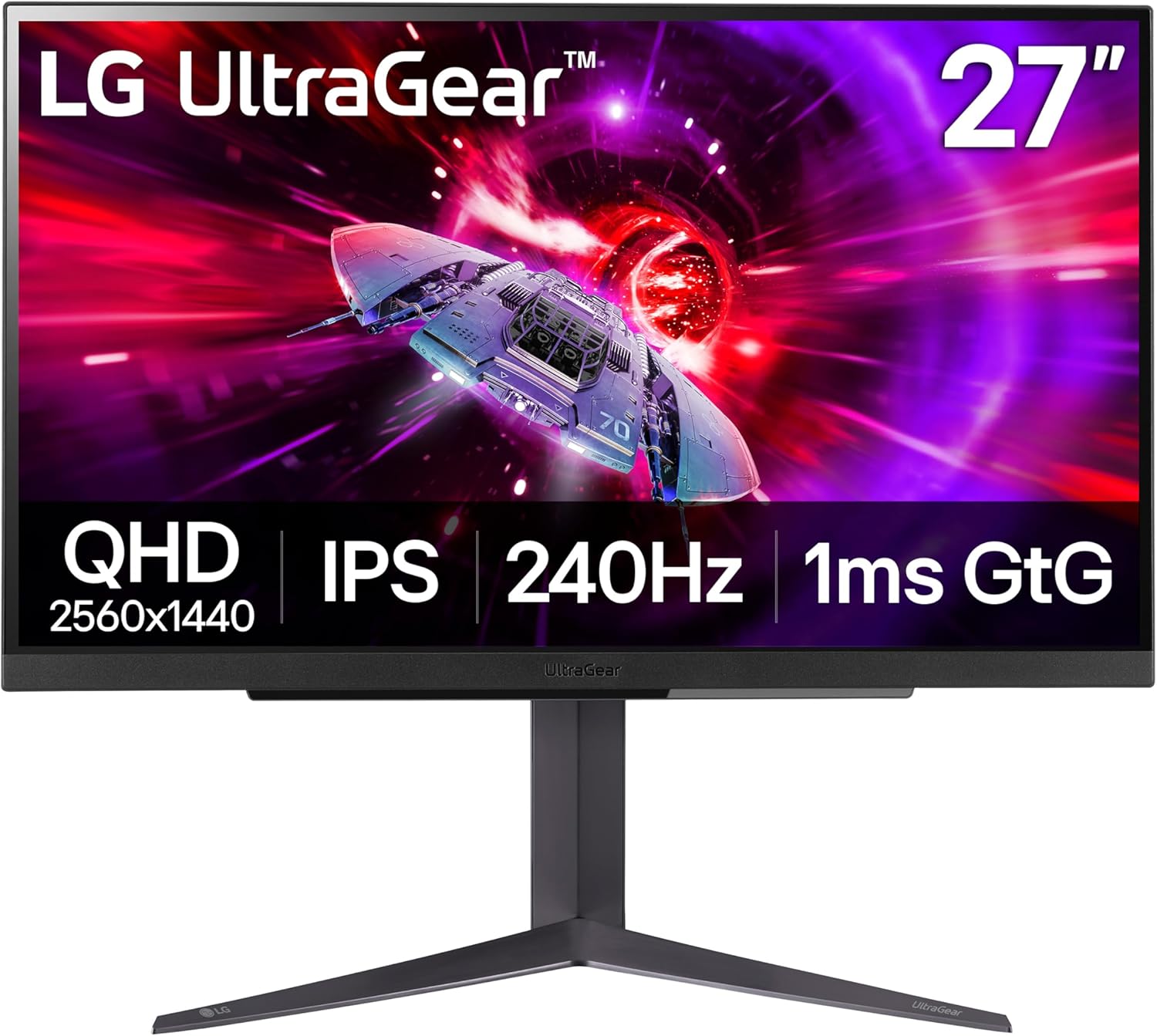
Check Your Ideal 1440p Setup
Not sure what monitor actually makes sense for this level of performance? Find the right monitor for your GPU and how you want to play.
If you are building a full system around this class of GPU, our Best $2,000 Gaming PC Build for 1440p/4K 2026 is the natural next step.
Best CPU Pairings for 1440p Gaming GPUs
At 1440p, the GPU matters more than it does at 1080p, but the CPU still matters a lot, especially if you are targeting high refresh rates. Pairing a strong 1440p GPU with the wrong processor can leave performance on the table, especially in competitive titles and simulation-heavy games.
| GPU | Ideal CPU Pair | Why This Pair Works |
|---|---|---|
| GeForce RTX 5060 Ti 16GB | Ryzen 5 7600 | A clean, efficient pairing for mainstream 1440p gaming without overspending on the processor. |
| Radeon RX 9060 XT 16GB | Ryzen 5 7600 / Ryzen 7 7700X | The sweet spot for high settings and high refresh 1440p gaming, depending on your total build budget. |
| Radeon RX 9070 XT | Ryzen 7 7700X | Strong enough to keep this GPU fed in modern 1440p titles without jumping into much more expensive CPU tiers. |
| GeForce RTX 5070 Ti | Ryzen 7 7800X3D | A great match for buyers chasing very high frame rates, ray tracing, and the strongest possible gaming platform. |
| GeForce RTX 5080 | Ryzen 7 7800X3D | If you are spending in this range, it makes sense to pair it with a top-tier gaming CPU and remove as many limits as possible. |
If you already have a capable modern processor, upgrading your GPU will usually matter more than replacing your CPU right away. These CPU recommendations are aimed primarily at fresh builds and full rebuilds.
Best GPU for 1440p Gaming: Full Breakdown
Average FPS numbers are useful, but they do not tell the whole story. Some GPUs make more sense for value-first 1440p builds, while others are better suited for ray tracing, very high refresh rate gaming, or a future step into 4K. The picks below explain where each card fits and who should actually buy it.
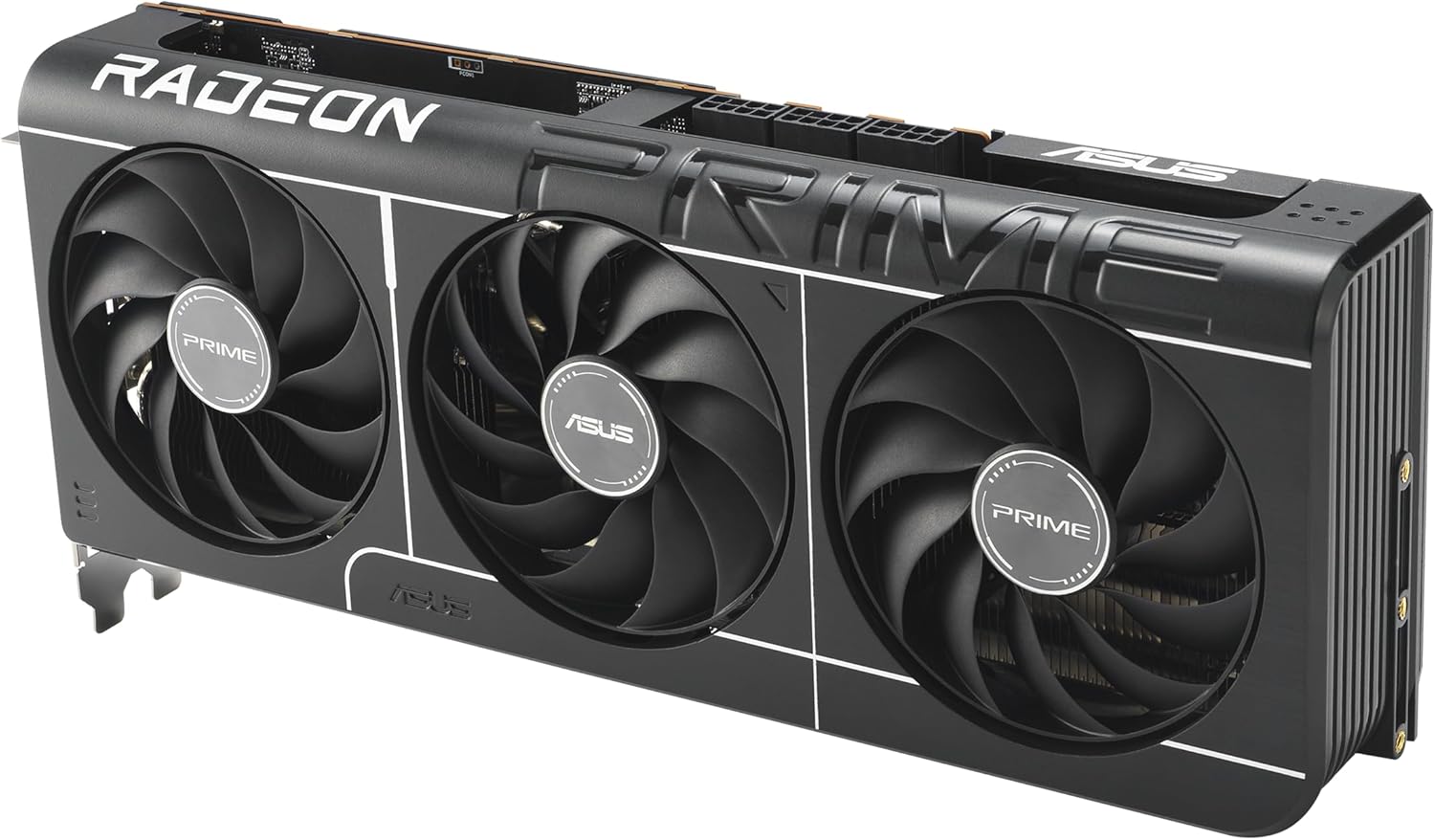
Best Overall 1440p GPU: Radeon RX 9070 XT
The RX 9070 XT is the strongest overall 1440p recommendation right now because it delivers the kind of performance most buyers actually want at this resolution. It is fast enough to feel high-end, comes with 16GB of VRAM, and makes more sense on value than the more expensive Nvidia cards above it.
This is the card for buyers who want to crank settings, chase strong high-refresh performance, and not feel boxed in by memory limitations a year from now. It is not the cheapest option in the article, but it is the most complete answer for readers who want a serious 1440p GPU without immediately drifting into enthusiast-tier spending.
Who should buy it: Buy the RX 9070 XT if you want a high-end 1440p GPU that can handle ultra settings, high refresh rates, and demanding modern games without jumping into enthusiast-level pricing.
Best Value 1440p GPU: Radeon RX 9060 XT 16GB
The RX 9060 XT 16GB is the value anchor of this article. It does not need to be the fastest card here to be one of the best recommendations. What matters is that it delivers strong 1440p performance, comes with 16GB of VRAM, and still lands in a price range that makes sense for a lot of builders.
This is also the primary GPU used in our Best $1,500 Gaming PC Build for 1440p 2026, which should tell you exactly where it fits. It is the kind of card we like recommending because it feels smart, not flashy.
Who should buy it: Buy the RX 9060 XT 16GB if you want the strongest mix of price, performance, and long-term VRAM comfort for a 1440p-focused build.
Best Budget Entry to 1440p: GeForce RTX 5060 Ti 16GB
If you want Nvidia, want DLSS 4, and want a card that still makes sense for 1440p gaming without spending much more, the RTX 5060 Ti 16GB is the entry point we would feel best about recommending. The 16GB version is the one that makes sense here because it gives 1440p buyers more breathing room in modern games than an 8GB model.
This is the kind of GPU that makes sense when budget matters but you still want access to Nvidia’s ecosystem, stronger ray tracing than similarly priced AMD options, and the ability to lean on frame generation when needed.
Who should buy it: Buy the RTX 5060 Ti 16GB if you want the cleanest budget-friendly entry into 1440p gaming on the Nvidia side.
Best Nvidia GPU for 1440p: GeForce RTX 5070 Ti
The RTX 5070 Ti is not the value champion of this article, but it is the Nvidia card we would feel best recommending for 1440p buyers who care most about features. DLSS 4, frame generation, better ray tracing behavior, and the overall Nvidia ecosystem still matter to a lot of people, especially if they stream, play a lot of ray-traced titles, or simply prefer the Nvidia software stack.
The catch is price. This is the category where Nvidia usually starts charging a noticeable premium over the competing AMD options. So the recommendation here is not “best for everyone.” It is “best for people who specifically want Nvidia’s advantages and are willing to pay for them.”
Who should buy it: Buy the RTX 5070 Ti if your priority is Nvidia’s feature stack, stronger ray tracing, and premium 1440p performance rather than pure value.
Best Stretch Pick: GeForce RTX 5080
The RTX 5080 is more GPU than most 1440p gamers need, which is exactly why it becomes a stretch pick rather than a default recommendation. If you are targeting 240Hz 1440p, want to max out settings with tons of headroom, or know that 4K gaming is in your near future, this is where the conversation shifts from practical to enthusiast.
If you are building a full system around this class of GPU, our Best $2,000 Gaming PC Build for 1440p/4K 2026 is the natural next step.
Who should buy it: Buy the RTX 5080 if you want premium 1440p ultra performance now and credible 4K performance later.
Why the RTX 5070 Isn’t One of Our Top Picks
The RTX 5070 is a capable 1440p GPU, but it lands in an awkward spot. In many cases, the RX 9060 XT 16GB offers a more convincing value proposition for less money, while the RTX 5070 Ti delivers a more meaningful step up if you are already spending in that range. Because of that overlap, the RTX 5070 ends up being harder to recommend as a primary pick even though it is still a good card. If you are deciding between the RTX 5070 and the RX 9070 XT specifically, we break down that matchup in detail in our RX 9070 XT vs RTX 5070 comparison.
AMD vs Nvidia for 1440p Gaming
This is the simplest way to think about the current 1440p GPU market: AMD generally offers the better price-to-performance and VRAM story, while Nvidia still offers the stronger feature stack.
If you care most about raw raster value, large memory buffers, and stretching your money as far as possible, AMD is currently the stronger side of the conversation. If you care most about DLSS 4, frame generation, ray tracing, creator-friendly software, and the polished Nvidia ecosystem, then Nvidia still has real advantages.
That is why both brands are represented in this guide, but not always in the same categories. The honest answer is not that one brand wins everything. It is that the better choice depends on what you personally value most.
Why 16GB VRAM Matters More at 1440p
VRAM is not the only thing that matters in GPU buying, but it matters much more now than it used to. At 1440p, modern games can push well beyond what older 8GB cards handled comfortably, especially once higher-resolution textures, heavier engines, and frame generation enter the picture.
That is a big reason why so many of the strongest 1440p recommendations in this guide come with 16GB of VRAM. It gives you more headroom today, and it makes these cards easier to recommend for the next few years instead of just right now.
If you are also shopping for a display to match this class of GPU, see our Best 1440p Gaming Monitors 2026 and Best Budget 1440p Gaming Monitors 2026 guides.
Frequently Asked Questions
What are the best GPUs for 1440p gaming in 2026?
For most buyers, the Radeon RX 9070 XT is the best overall 1440p GPU right now because it offers excellent raster performance, 16GB of VRAM, and stronger overall value than the more expensive Nvidia alternatives.
Is the RX 9060 XT 16GB enough for 1440p gaming?
Yes. The RX 9060 XT 16GB is one of the best value choices for 1440p gaming. It has enough performance for high settings in modern games and enough VRAM headroom to feel safer long-term than older 8GB mainstream cards.
Is the RTX 5060 Ti 16GB good enough for 1440p?
Yes, as long as you understand where it fits. The RTX 5060 Ti 16GB is the entry point we would feel good about recommending for real 1440p gaming, especially if you value DLSS 4 and Nvidia’s ecosystem.
Do I need 16GB VRAM for 1440p gaming?
You do not absolutely need 16GB for every game, but it is becoming a much more comfortable place to be at 1440p. It gives you more breathing room in modern titles and makes the recommendation easier to defend over the next few years.
Should I buy AMD or Nvidia for 1440p gaming?
Choose AMD if you care most about price-to-performance and VRAM. Choose Nvidia if you care most about DLSS 4, ray tracing, and Nvidia’s broader feature stack.
Final Verdict
If we had to recommend one GPU to the average LoadedRig reader shopping specifically for 1440p gaming today, it would be the Radeon RX 9070 XT. It is the cleanest overall answer because it combines excellent 1440p performance, 16GB of VRAM, and stronger overall value than the more expensive Nvidia alternatives above it.
If you want the best value recommendation, the Radeon RX 9060 XT 16GB is the card we would feel most comfortable pointing to. If you specifically want Nvidia, the GeForce RTX 5070 Ti is the stronger premium recommendation, while the GeForce RTX 5060 Ti 16GB is the cleaner budget entry point.
And if you want a true stretch option with huge headroom, the GeForce RTX 5080 is the card that starts to bridge the gap between premium 1440p and serious 4K gaming.
More From LoadedRig
- GPU Tier List 2026: Which Graphics Card Do You Actually Need?
- How Much VRAM Do You Need for Gaming in 2026?
- Best $1,000 Gaming PC Build for 1440p 2026
- Best $1,500 Gaming PC Build for 1440p 2026
- Best $2,000 Gaming PC Build for 1440p/4K 2026
- Best 1440p Gaming Monitors 2026
- Best Budget 1440p Gaming Monitors 2026