
Last updated: March 2026
Some links on this page are affiliate links. If you buy through them we may earn a small commission at no extra cost to you.
If you are building a gaming PC in 2026, choosing the best SSD for gaming is one of the simpler decisions you will make, but only if you know what to ignore. For most gamers, the right answer is a 2TB PCIe Gen 4 NVMe SSD, and everything else is a distraction. Gen 5 drives exist and post impressive benchmark numbers, but real gaming gains are almost always too small to justify the premium. The budget is better spent on the GPU.
What an SSD actually changes in gaming is not your frame rate. It is everything around it: boot times, load screens, install speeds, and how smoothly large modern games stream assets. Those things matter, and a good NVMe drive handles all of them well. The question is which one to buy without overpaying in a market where NAND pricing has been volatile since mid-2025.
The picks below are based on real-world gaming performance, current market availability, brand reliability, and honest value at today’s prices. SSD pricing has risen significantly in early 2026 due to an AI-driven NAND shortage. Always check current prices before ordering. The figures in this guide are approximate at time of research.
On This Page
- Quick Picks
- SSD Comparison at a Glance
- Best SSDs for Gaming: Full Breakdown
- How SSDs Affect Gaming Performance
- Why 2TB Is the Sweet Spot for Gaming in 2026
- Gen 4 vs Gen 5 for Gaming
- Why SSD Prices Are Higher in 2026
- Frequently Asked Questions
- Final Verdict
Quick Answer: What Is the Best SSD for Gaming in 2026?
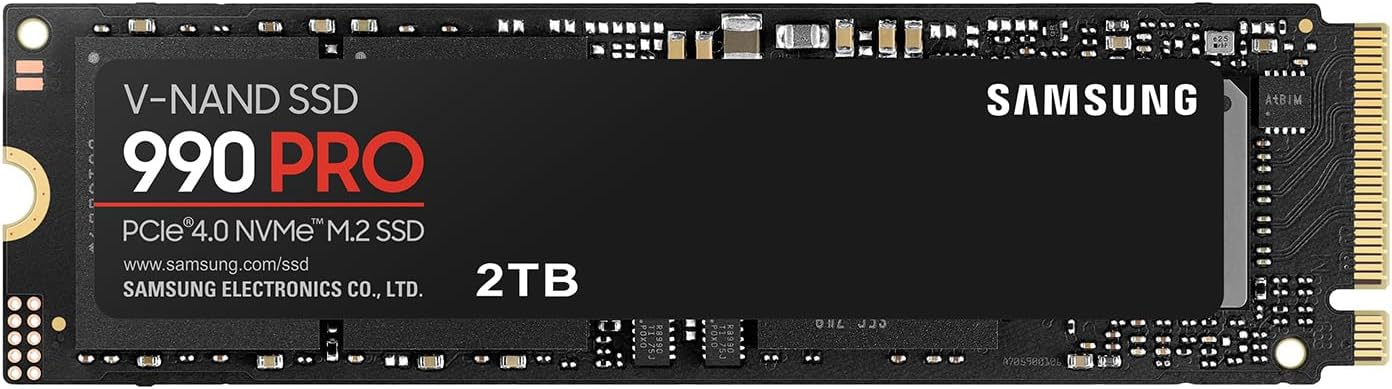
For most new gaming builds in 2026, the Samsung 990 Pro 2TB is the default answer. It combines elite PCIe Gen 4 performance, strong brand trust, and the 2TB capacity that modern game libraries actually need. Tom’s Hardware currently names it both the best SSD overall and the best SSD for gaming. That consensus is hard to argue with.
If the 990 Pro is overpriced when you are ready to buy, the WD Black SN850X 2TB is the premium alternative. Both drives live in the same performance tier. Pick whichever has the better price on the week you purchase. If both are out of budget, the Samsung 990 EVO Plus 2TB is the value pick. Fast enough for any gaming build, 2TB capacity, and still carrying the Samsung name that buyers trust.
For tighter budgets, the Samsung 990 EVO Plus 1TB is the floor we would recommend. 1TB is tight for a modern game library but it is a real NVMe drive on a modern platform, which is the right starting point regardless of budget.
Quick Picks
Four picks covering every real gaming build scenario in 2026. Two premium Gen 4 options at the top, one value tier, and one budget floor. All NVMe, all from proven brands.
SSD Comparison at a Glance
Here is how all four picks compare across the specs that actually matter for gaming builds in 2026.
| Drive | Interface | Capacity | Read Speed | Best For |
|---|---|---|---|---|
| Samsung 990 Pro | PCIe Gen 4 | 2TB | 7,450 MB/s | Mainstream and high-end gaming builds |
| WD Black SN850X | PCIe Gen 4 | 2TB | 7,300 MB/s | Premium alternative when priced below 990 Pro |
| Samsung 990 EVO Plus | PCIe Gen 4 | 2TB | 7,250 MB/s | Value-focused builds, mid-range gaming PCs |
| Samsung 990 EVO Plus 1TB | PCIe Gen 4 | 1TB | 7,150 MB/s | Budget gaming builds, tight capacity needs |
Best SSDs for Gaming: Full Breakdown
Here is a closer look at each pick, who it is for, and what tradeoffs you are making.
Best Overall SSD for Gaming: Samsung 990 Pro 2TB
- Interface: PCIe Gen 4 NVMe
- Capacity: 2TB
- Sequential Read: Up to 7,450 MB/s
- Sequential Write: Up to 6,900 MB/s
- Warranty: 5 years
- Ideal For: Mainstream and high-end gaming builds
If there is one SSD to recommend without hesitation to a LoadedRig reader building a gaming PC in 2026, this is it. The Samsung 990 Pro 2TB earns the top spot because it gets every important variable right at once. It is PCIe Gen 4, not an overpriced Gen 5 drive chasing synthetic benchmark records that mean nothing in actual gaming. It has the 2TB capacity that modern game libraries genuinely need. And it carries Samsung’s reputation, which is the most trusted name in consumer storage for a reason.
For gaming, what you actually feel from a fast SSD is not frame rate improvement. It is everything around the game: boot times that stay short, load screens that do not drag, large open worlds that stream assets without stutter, and patch installs that finish quickly. The 990 Pro delivers all of that at the top of the Gen 4 tier without forcing you into the Gen 5 price bracket where the real-world gaming advantage essentially disappears. Tom’s Hardware currently names this drive both the best SSD overall and the best SSD for gaming in 2026, and that assessment is well earned.
The 2TB capacity is not optional context. It is part of the recommendation. Modern AAA titles regularly exceed 100GB each. A 1TB drive fills up faster than most people expect once Windows, a few large games, and ongoing updates are accounted for. 2TB gives you the breathing room to keep a real library installed without managing space constantly. The 990 Pro is also available in 4TB for buyers with heavy libraries who want to eliminate the uninstall cycle entirely, though the 4TB pricing is significantly higher and most gamers are better served by the 2TB.
Who should buy it: Anyone building a mainstream or high-end gaming PC who wants the strongest all-around SSD without overthinking the decision.
Bottom line: The cleanest SSD recommendation for gaming in 2026. Right interface, right capacity, right brand.
Best Alternative SSD for Gaming: WD Black SN850X 2TB
- Interface: PCIe Gen 4 NVMe
- Capacity: 2TB
- Sequential Read: Up to 7,300 MB/s
- Sequential Write: Up to 6,300 MB/s
- Warranty: 5 years
- Ideal For: High-end gaming builds when the 990 Pro is overpriced
The WD Black SN850X exists in this article for one clear reason: SSD pricing in 2026 is volatile, and having a genuine premium alternative means the reader always has a strong option regardless of which drive is better priced that week. The SN850X and the 990 Pro live in the same performance tier. Both are elite PCIe Gen 4 drives with class-leading sequential speeds, strong real-world gaming performance, and five-year warranties. The decision between them should come down to price on the day you buy, not spec chasing.
In gaming specifically, the 150 MB/s read speed difference between the SN850X and the 990 Pro is functionally invisible. Load times, asset streaming, and boot performance are determined by far more than that gap. What matters is that both drives are on NVMe Gen 4 with 2TB of space and proven reliability from brands that have earned their reputations in the storage market. The SN850X is not a consolation prize. It is a genuine top-tier drive that deserves the comparison.
WD also includes a gaming-specific dashboard with their SN850X drives and DirectStorage support for titles that use it, though the number of games actively using DirectStorage is still growing. It is a nice extra that does not change the core recommendation but adds value for readers who care about forward compatibility.
Who should buy it: Gamers who want flagship-tier Gen 4 storage and are choosing based on whichever premium drive is better priced right now.
Bottom line: Same tier as the top pick, different brand. Either drive gets you to the same place.
Best Value SSD for Gaming: Samsung 990 EVO Plus 2TB
- Interface: PCIe Gen 4 NVMe
- Capacity: 2TB
- Sequential Read: Up to 7,250 MB/s
- Sequential Write: Up to 6,300 MB/s
- Warranty: 5 years
- Ideal For: Value-focused builds where flagship pricing is too high
The Samsung 990 EVO Plus fills the most important slot in this article: the pick for buyers who want 2TB of NVMe storage from a brand they recognize without paying 990 Pro or SN850X money. In the current market where SSD prices have risen sharply, that slot is more important than it has been in previous years. Not every builder can or should absorb flagship SSD pricing, especially when the gaming performance difference between the EVO Plus and the Pro tier is genuinely small in real-world use.
The 990 EVO Plus uses a DRAM-less design with Samsung’s Host Memory Buffer technology, which uses a portion of system RAM for caching duties. This approach keeps costs down without dramatically impacting gaming performance. Sequential reads up to 7,250 MB/s put it well within striking distance of the 990 Pro, and in actual game load testing the gap between the two is not the kind of difference most people notice during a gaming session. Tom’s Hardware describes it as more than enough performance for mainstream gaming, which is the honest and accurate framing.
The EVO Plus also runs cool and efficiently, which matters for builds where M.2 slot airflow is not ideal. It carries Samsung’s five-year warranty and supports their Magician software for health monitoring and firmware updates. For a value-tier pick it overdelivers on the things that matter for long-term ownership.
Who should buy it: Builders who want a 2TB NVMe SSD from a major brand and need to stay below flagship pricing without compromising on capacity or reliability.
Bottom line: The smart middle ground. Fast enough, 2TB, Samsung build quality, without the Pro price tag.
Best Budget SSD for Gaming: Samsung 990 EVO Plus 1TB
- Interface: PCIe Gen 4 NVMe
- Capacity: 1TB
- Sequential Read: Up to 7,150 MB/s
- Sequential Write: Up to 6,300 MB/s
- Warranty: 5 years
- Ideal For: Budget gaming builds where 2TB pricing is out of reach
1TB is tight for a modern gaming PC in 2026. We want to be direct about that. A handful of large AAA titles, Windows, and a few smaller games will fill a 1TB drive faster than most people expect. If the budget can stretch to 2TB, it should. But if 1TB is the honest limit of what the build allows, the Samsung 990 EVO Plus 1TB is the right drive at that capacity rather than reaching for something slower or less reliable just to save a few extra dollars.
What makes this the correct budget recommendation over cheaper alternatives is that it keeps the buyer on a modern NVMe platform with a proven brand behind it. SATA SSDs are no longer the value proposition they once were, and their old price advantage has mostly evaporated as NVMe pricing has come down over the past few years. There is no compelling reason to recommend SATA for a new gaming build in 2026, and the 990 EVO Plus 1TB makes that case clearly by offering genuine Gen 4 NVMe performance at a price that fits budget builds.
The five-year Samsung warranty and Magician software support also apply here, giving the budget pick the same ownership experience as the more expensive Samsung options above it. Buy this, keep it as a boot and primary game drive, and add a second drive later if capacity becomes an issue.
Who should buy it: Budget builders who need to keep costs down but still want a legitimate modern NVMe gaming SSD from a brand with a real warranty.
Bottom line: The floor, not the target. Buy 2TB if you can. If you cannot, this is the right 1TB pick.
How SSDs Affect Gaming Performance
An SSD does not improve your frame rate. If frame rate is the goal, that budget belongs with the GPU. What an SSD actually changes is everything that surrounds the game itself, and those things matter more than most people give them credit for.
What SSDs Actually Improve
Fast NVMe storage produces noticeably shorter load screens, quicker boot times, faster game installations and patch updates, and smoother asset streaming in open-world titles that load large amounts of data as you move through the game world. These improvements are real and consistent. They make a gaming PC feel more responsive and reduce the time between wanting to play and actually playing. A good NVMe SSD makes every part of owning a gaming PC smoother without adding anything to your in-game frame rate counter.
Where the Speed Differences Stop Mattering
Once you are on a decent PCIe Gen 4 NVMe drive, additional speed produces diminishing returns in gaming. TechSpot’s gaming storage testing found that real-world gaming gains between PCIe Gen 3, Gen 4, and Gen 5 are often too small to notice in actual play. Load times might differ by a second or two between a Gen 4 and Gen 5 drive in some titles, but those gaps are not justification for spending significantly more. For gaming builds, the right move is to get on a solid Gen 4 NVMe drive and redirect the rest of the storage budget elsewhere.
Hard Drives and SATA Are Not Real Options in 2026
Hard drives are not appropriate for primary gaming storage in 2026. TechSpot’s testing found hard drives produced obvious stutter, pop-in, and dramatically longer load times in modern titles. SATA SSDs are a step up from hard drives but no longer represent the value they once did. Their pricing advantage over NVMe has mostly closed, and their performance ceiling is significantly lower. For any new gaming build, NVMe is the only sensible starting point.
Why 2TB Is the Sweet Spot for Gaming in 2026
If there is one storage recommendation this article should make clearly, it is that 2TB is the right target capacity for gaming in 2026. Tom’s Hardware explicitly calls 2TB the sweet spot for gamers, and that assessment is accurate.
Modern AAA games regularly exceed 100GB each. Call of Duty titles have pushed past 200GB with updates. Starfield, Cyberpunk 2077, and similar open-world games sit between 60GB and 100GB. Add Windows, your GPU drivers, game launchers, and Discord, and a 1TB drive starts to feel cramped before you have installed more than five or six large games. 2TB gives you the breathing room to keep a real gaming library active without constantly uninstalling titles to make space.
The 4TB tier exists and makes sense for heavy library users who want to eliminate the management problem entirely, but the pricing premium in the current market is significant. For most builders the right answer is to start at 2TB and add a second drive later if needed, rather than paying the 4TB premium upfront. Every build guide on LoadedRig is built around a 1TB or 2TB NVMe SSD for exactly this reason. For the full build recommendations, see our $1,500 1440p gaming PC build and $2,000 1440p/4K gaming PC build.
Gen 4 vs Gen 5 for Gaming
The short answer is that Gen 4 is still the right choice for gaming in 2026 and Gen 5 is not worth the premium for most buyers.
Gen 5 Is Real, but Not for Gaming
PCIe Gen 5 SSDs are genuinely faster on paper, with sequential read speeds exceeding 12,000 MB/s on the best current drives. That is impressive in benchmarks. In gaming it almost never matters. TechSpot’s testing shows that real in-game gains between Gen 4 and Gen 5 are typically small enough that most players would not notice them during a session. The load time differences can be measured in seconds at most, and frame rate is unaffected entirely.
The Real Cost of Gen 5
Gen 5 drives carry a significant price premium over Gen 4 equivalents. They also run hotter and benefit from a heatsink more than Gen 4 drives do. Tom’s Hardware explicitly says PCIe 5.0 drives are newer, more expensive, and not required for gaming. For a gaming-first build, spending extra on Gen 5 storage means accepting a weaker GPU, monitor, or other component that would have had a much larger actual impact on the gaming experience.
When Gen 5 Makes Sense
Gen 5 is worth considering for workstation workloads involving large file transfers, video editing with heavy read and write demands, or professional applications that genuinely stress storage bandwidth. For a gaming-first build in 2026, those scenarios do not apply to most readers. Stay on Gen 4, buy the right capacity, and put the money saved somewhere it will actually show up in gaming performance.
Why SSD Prices Are Higher in 2026
SSD pricing in early 2026 is significantly higher than it was in mid-2025. A global NAND shortage driven by AI data center demand has pushed up consumer storage prices sharply across all capacities and interfaces. Phison’s CEO confirmed that all 2026 NAND production capacity was effectively sold out before the year began, with manufacturers prioritizing enterprise and AI customers over the consumer market. Drives that cost $90 to $120 for 2TB in 2023 are now running $200 and above depending on the brand and interface tier.
This pricing environment is one reason the value tier matters more in this article than it would have two years ago. The gap between budget-friendly and premium has widened, and not everyone needs to be at the top of that gap for gaming purposes. The recommendations in this article account for that reality. Check current prices before ordering and treat any figures here as approximate at time of research. Prices are fluctuating week to week and any specific number in this guide may have changed by the time you are ready to buy.
Frequently Asked Questions
Do SSDs improve FPS in games?
No. SSDs improve load times, boot speeds, install speeds, and overall system responsiveness, but they do not meaningfully affect frame rate. If frame rate is the goal, that budget belongs with the GPU. Our best GPUs for 1440p gaming and best GPUs for 1080p gaming guides cover where the real gaming performance gains come from.
Is PCIe Gen 5 worth it for gaming in 2026?
Not for most gamers. Gen 5 drives are faster in benchmarks but real gaming load time differences over Gen 4 are small. They cost significantly more, run hotter, and the extra speed does not translate into better frame rates. For a gaming-first build, Gen 4 is the correct choice and the money saved is better spent on GPU or other components.
Is 1TB enough for gaming in 2026?
It works as a budget starting point but it is not ideal. Modern AAA titles regularly exceed 100GB each, so a 1TB drive fills up faster than most people expect. If the budget allows it, 2TB is the better target. If 1TB is the honest limit, the Samsung 990 EVO Plus 1TB is the right drive at that capacity.
Should I buy a SATA or NVMe SSD for gaming?
NVMe. SATA SSDs no longer offer the value advantage they once had over NVMe, and their performance ceiling is significantly lower. For any new gaming build in 2026, PCIe NVMe is the correct starting point. SATA only makes sense for very old systems without M.2 slots.
How much SSD storage do I need for gaming?
2TB is the recommended starting point for most new gaming builds. It gives you enough space for a real game library without the significant price premium of 4TB drives. 1TB works on tighter budgets but requires more active storage management as your library grows.
Does the Samsung 990 Pro work on both AM4 and AM5?
Yes. All four drives in this guide use the standard M.2 2280 NVMe form factor and work with any motherboard that has a PCIe Gen 4 M.2 slot. They are also backward compatible with PCIe Gen 3 slots at reduced speeds. Both AM4 and AM5 platforms support PCIe Gen 4 M.2 storage. For full build recommendations using these drives, see our $1,000 1080p build, $1,000 1440p build, $1,500 1440p build, and $2,000 1440p/4K build.
Final Verdict: Choosing the Best SSD for Gaming in 2026
The SSD decision for a gaming PC in 2026 is simpler than most component choices, but it still matters. Buy a 2TB PCIe Gen 4 NVMe SSD, avoid overpaying for Gen 5, and skip SATA entirely. That is the honest advice for almost every reader building or upgrading a gaming PC right now.
For most builds, the Samsung 990 Pro 2TB is the default answer. It is the strongest all-around gaming SSD recommendation in 2026 and the drive that gets every important variable right without pushing budget where it does not need to go. If it is overpriced when you are ready to buy, the WD Black SN850X 2TB belongs in the same tier and is the right swap.
If flagship pricing is out of reach, the Samsung 990 EVO Plus 2TB is the smartest value pick. You keep the 2TB capacity, stay on Gen 4 NVMe, and stay with Samsung’s brand and warranty without paying Pro money. For the tightest budgets, the Samsung 990 EVO Plus 1TB is the floor. A real NVMe drive from a real brand at the minimum capacity worth recommending for a new gaming build.